Livia Spinolo
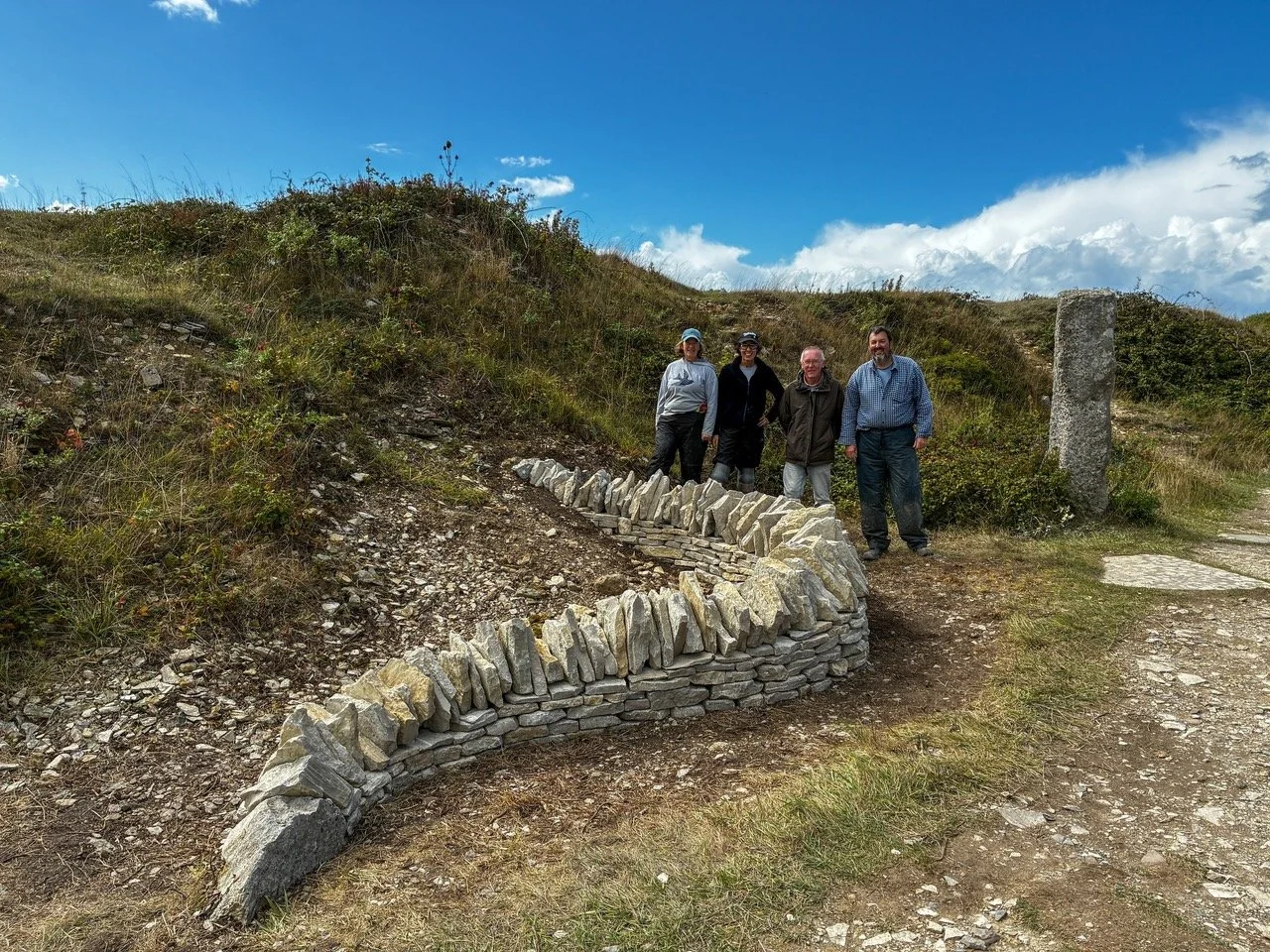
Artist Livia Spinolo - Portland Residency
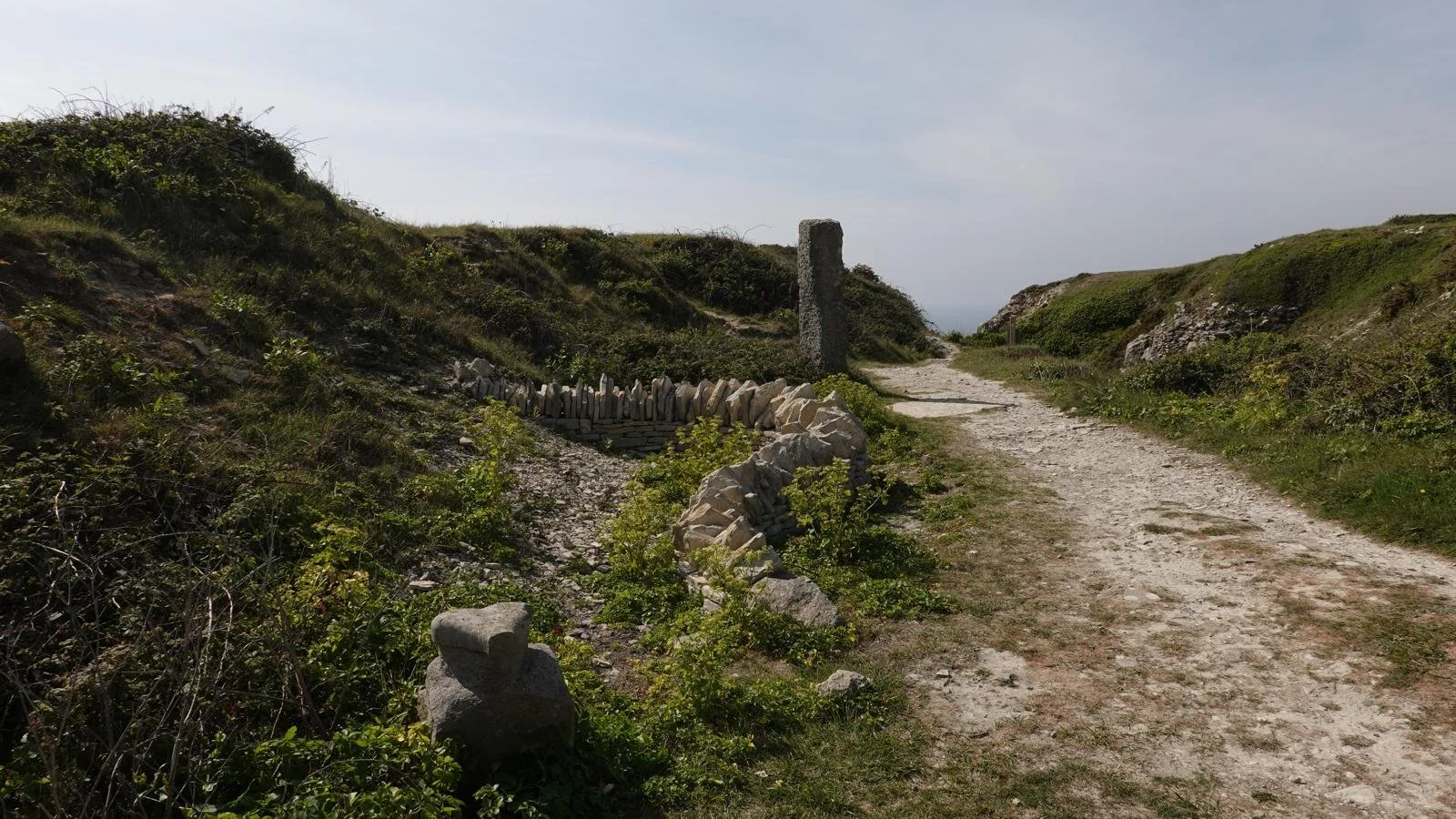
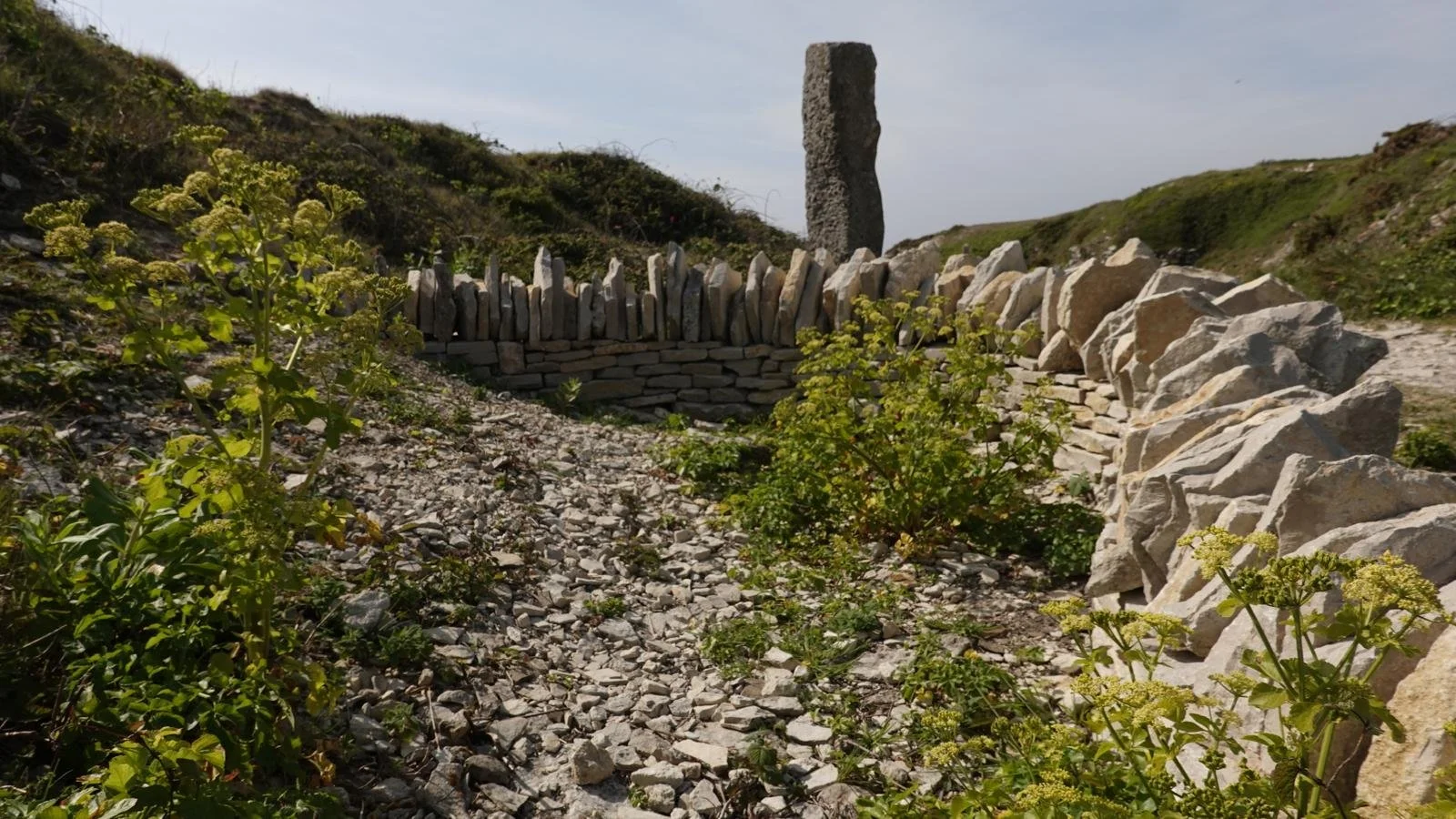
The six-month residency with the Portland Sculpture & Quarry Trust (PSQT) provided an opportunity to undertake a practice-based investigation into the ecological, historical, and cultural dimensions of Tout Quarry Sculpture Park and Nature reserve and gain insight on the PSQT multidisciplinary approach to landscape regeneration. The resulting work, Ab Initio (70 × 800 × 45 cm), was conceived as both a sculptural intervention and a functioning habitat, permanently sited at Tout Quarry Sculpture Park & Nature Reserve as part of the One Island Many Visions exhibition and Symposium. The show is a collaboration between PSQT and 27 artist form the Royal Society of Sculptors.
The research undertaken during the residency was structured around three primary strands:
Material and Technical Investigation
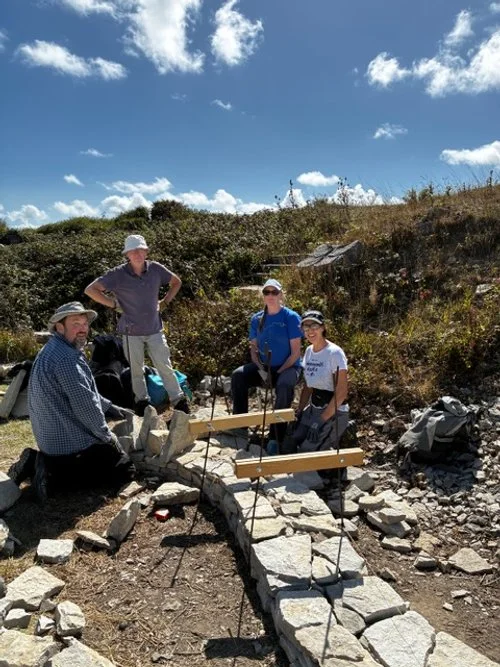
A core aspect of the residency involved examining the technical and historical properties of dry-stone walling. Research encompassed traditional construction techniques, the cultural significance of the wall as a rural infrastructure, and its ecological function as a microhabitat. The collaboration with Peter Curtis and Phyllis Warren of the Dorset Branch of the Dry-Stone Walling Association was central to this inquiry, enabling the transmission of traditional knowledge while adapting methods for sculptural application.Ecological and Environmental Research
Particular emphasis was placed on understanding how dry-stone walls operate as ecological systems. Drawing on consultation with naturalist Bob Ford, the research identified the ways in which cavities and thermal properties of stone structures support biodiversity. Fieldwork included analysis of site conditions—sunlight exposure, wind direction, and soil characteristics—to determine an optimal location for habitat regeneration. The curved like forms of Ab Initio were developed in response to these findings, with the intention of enhancing solar gain, reducing wind speed, and encouraging seed dispersal and plant colonisation.Community and Interdisciplinary Engagement
The residency was supported by PSQT’s interdisciplinary ethos, positioning artistic practice in dialogue with ecological science and local community knowledge. Interviews, meetings and discussions with the community informed the development of the project, particularly in relation to the Trusts creative and educational resource and its integration into wider programmes of cultural and ecological regeneration on Portland. The involvement of the Dorset Branch of the Dry Stone Walling Association, fellow artist Ros Burgin MRSS, PSQT’s Creative Director, Hannah Sofaer MA (RCA) and local Naturalist Bob Ford further embedded the project within the collaborative and interdisciplinary framework.
AB INITIO
By Livia Spinolo
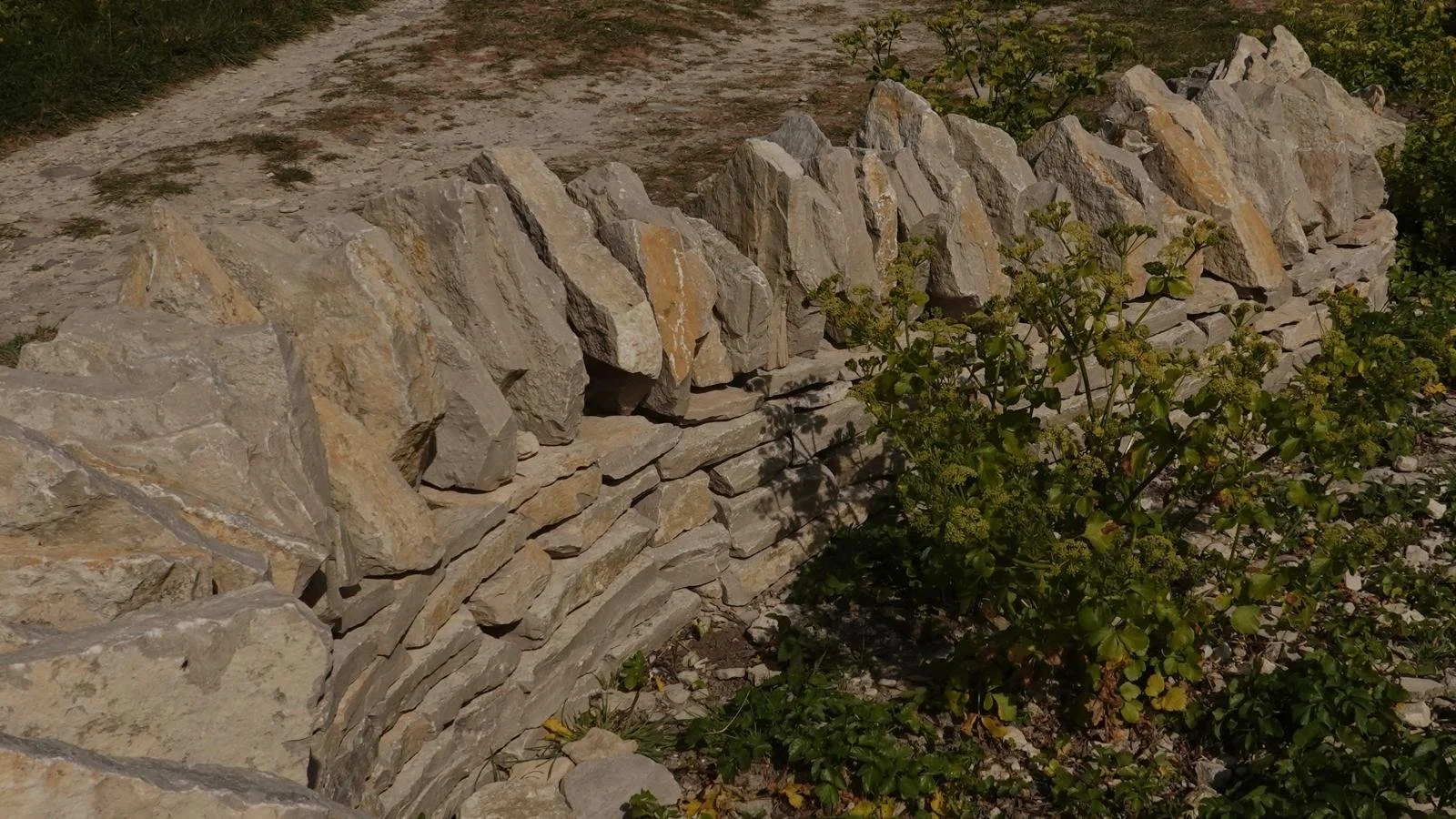
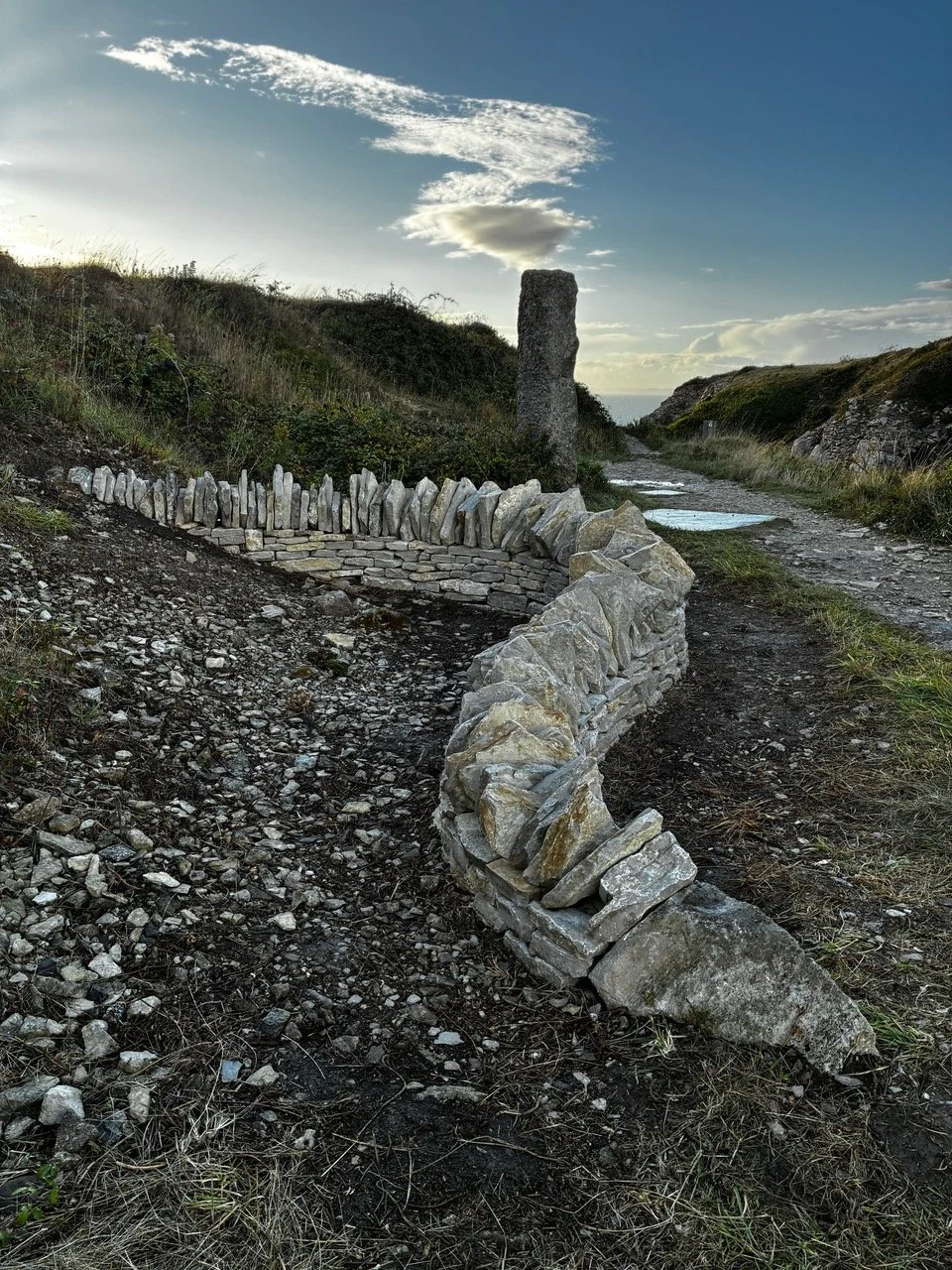
Ab Initio (70 × 800 × 45 cm) is a permanent installation at Tout Quarry Sculpture Park & Nature Reserve in Portland, Dorset. The project sponsored by Dorset branch of Dry-Stone Walling Association, was initiated in collaboration with fellow artist Ros Burgin MRSS and developed in collaboration with Peter Curtis and Phyllis Warren of the Dorset DSWA, and in partnership with Hannah Sofaer, Creative Director of Portland Sculpture & Quarry Trust with valued contributions from naturalist Bob Ford. Ab Initio—Latin for “from the beginning”—signifies a return to origins, reconnecting with principles of place, ecology, and the craft of dry-stone walling. The artwork highlights how traditional walling skills can be integrated into contemporary art practice to address environmental change and support habitat regeneration.
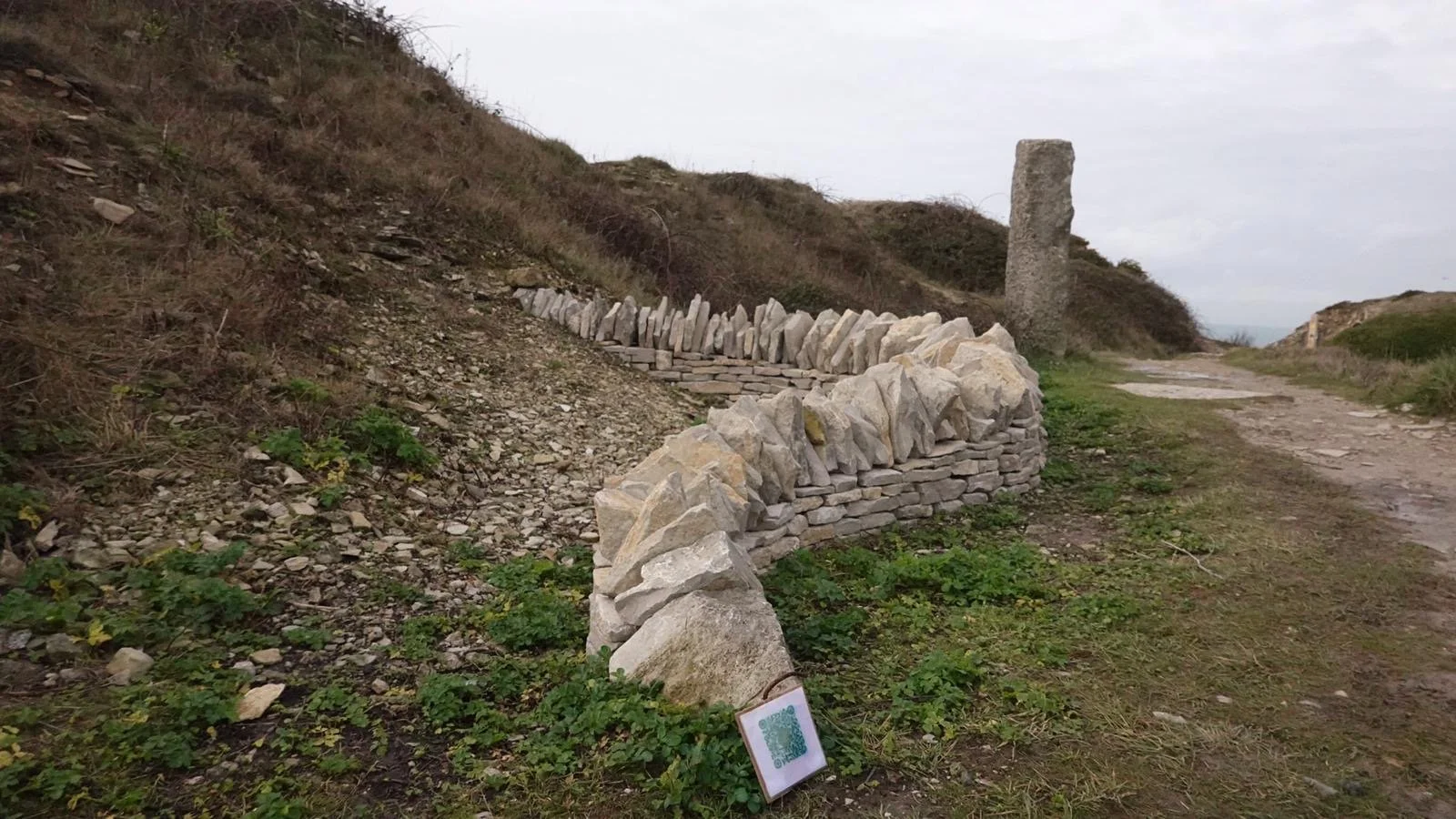
Ab Initio aligns with the interdisciplinary project led by Portland Sculpture & Quarry Trust for the regeneration of the landscape. It is a sculptural habitat designed with curved lines that capture sunlight from varying angles. Its amphitheatre-like forms reflect and retain heat within the concave structures, generating a microclimate with slightly elevated temperatures that creates shelter and encourages plant growth. The elevation of the walls above the ground reduces wind speed, aiding the dispersal and settling of wind-borne seeds. Cracks and cavities within the dry-stone walls have proved to be ideal niches for flora, insects, invertebrates, and small mammals. The thermal properties of the stones are particularly beneficial for small reptiles, offering warmth and shelter. The developments of the sculptural habitat will remain under observation and will be documented in the years to come.
Location: What3Words: ///anchorman.spent.arranges
Instagram: @liviaspinolo.art
Website: www.liviaspinolo.com
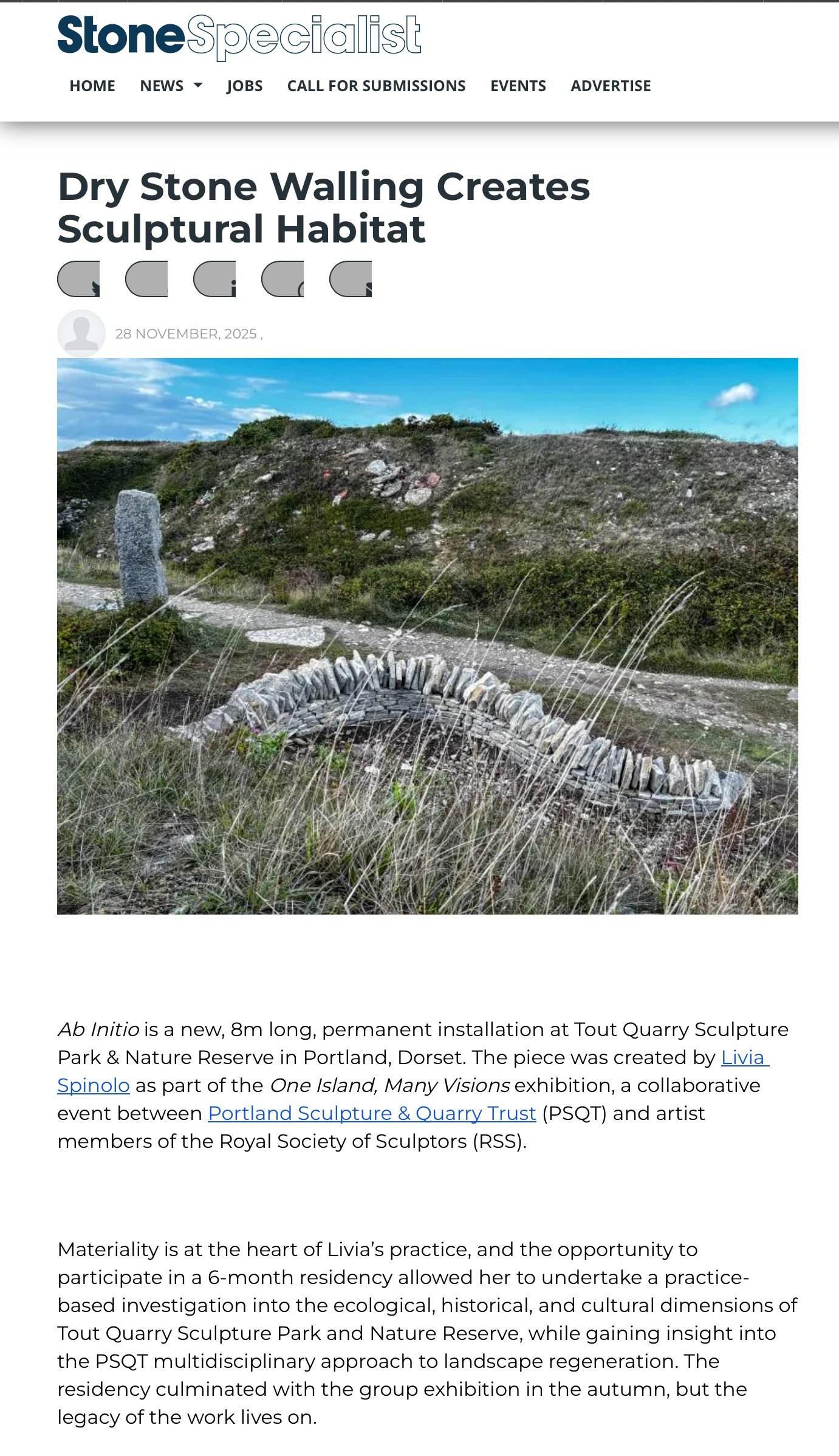
Click on the photo to read the Stone Specialist magazine article about Livia’s work.
First Monitoring Report of Ab Initio
Five months after installation
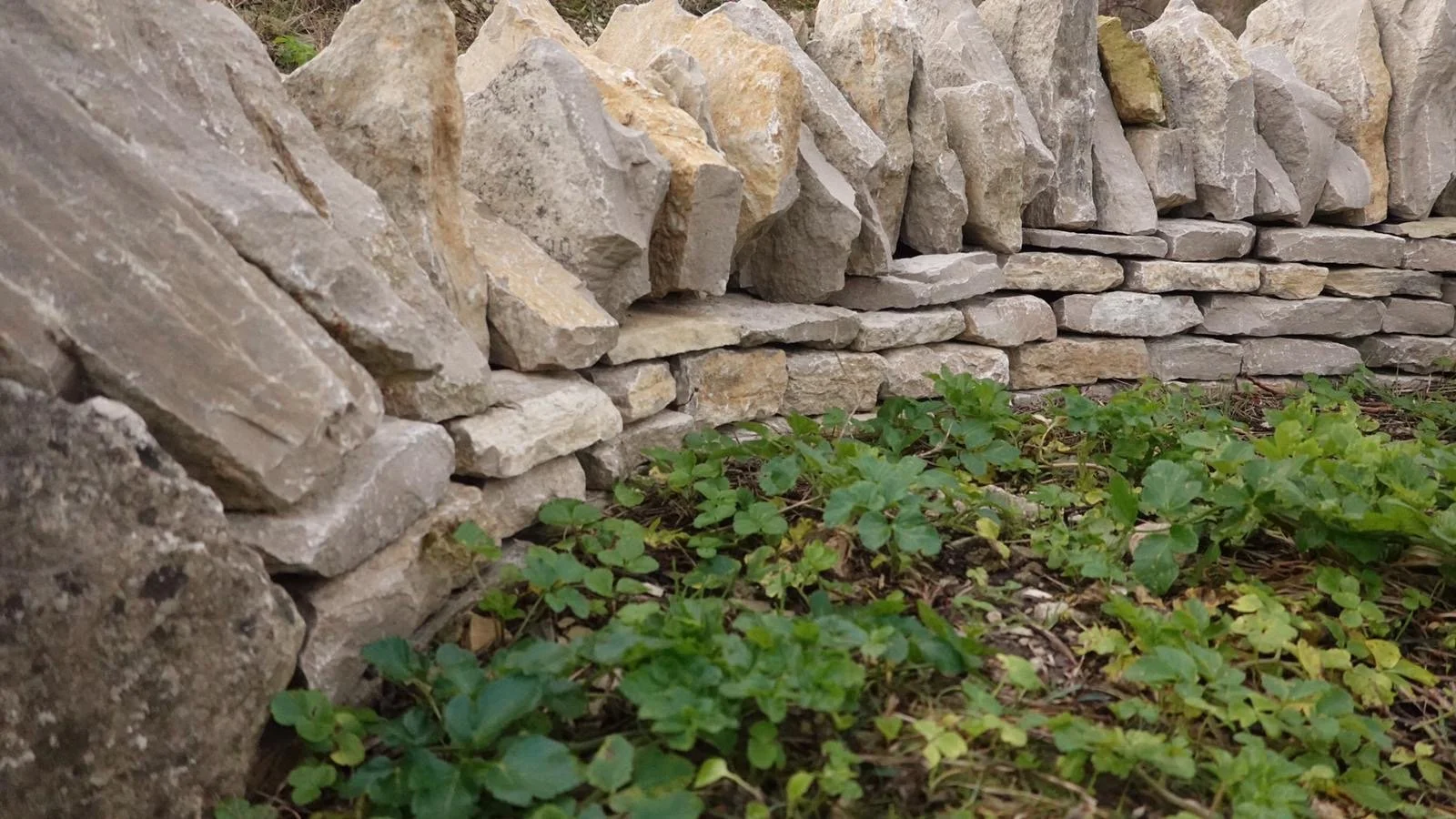
Naturalist: Bob FordThis report presents initial observations recorded five months following the installation of the sculptural habitat Ab Initio. At the time of installation, the site was characterised by a bare expanse of disturbed soil resulting from construction activity. This disruption left the immediate surroundings exposed and relatively devoid of vegetation.
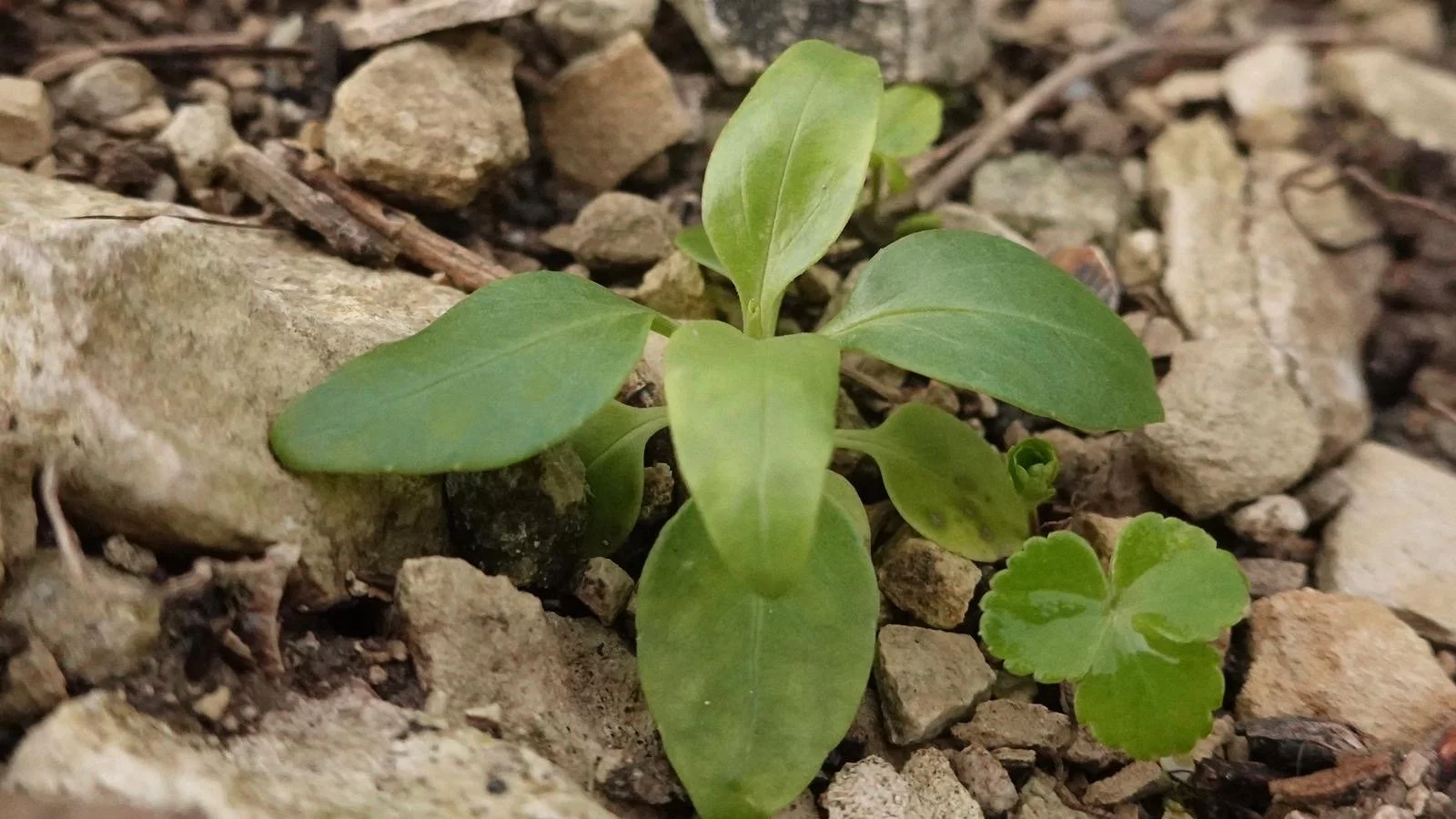
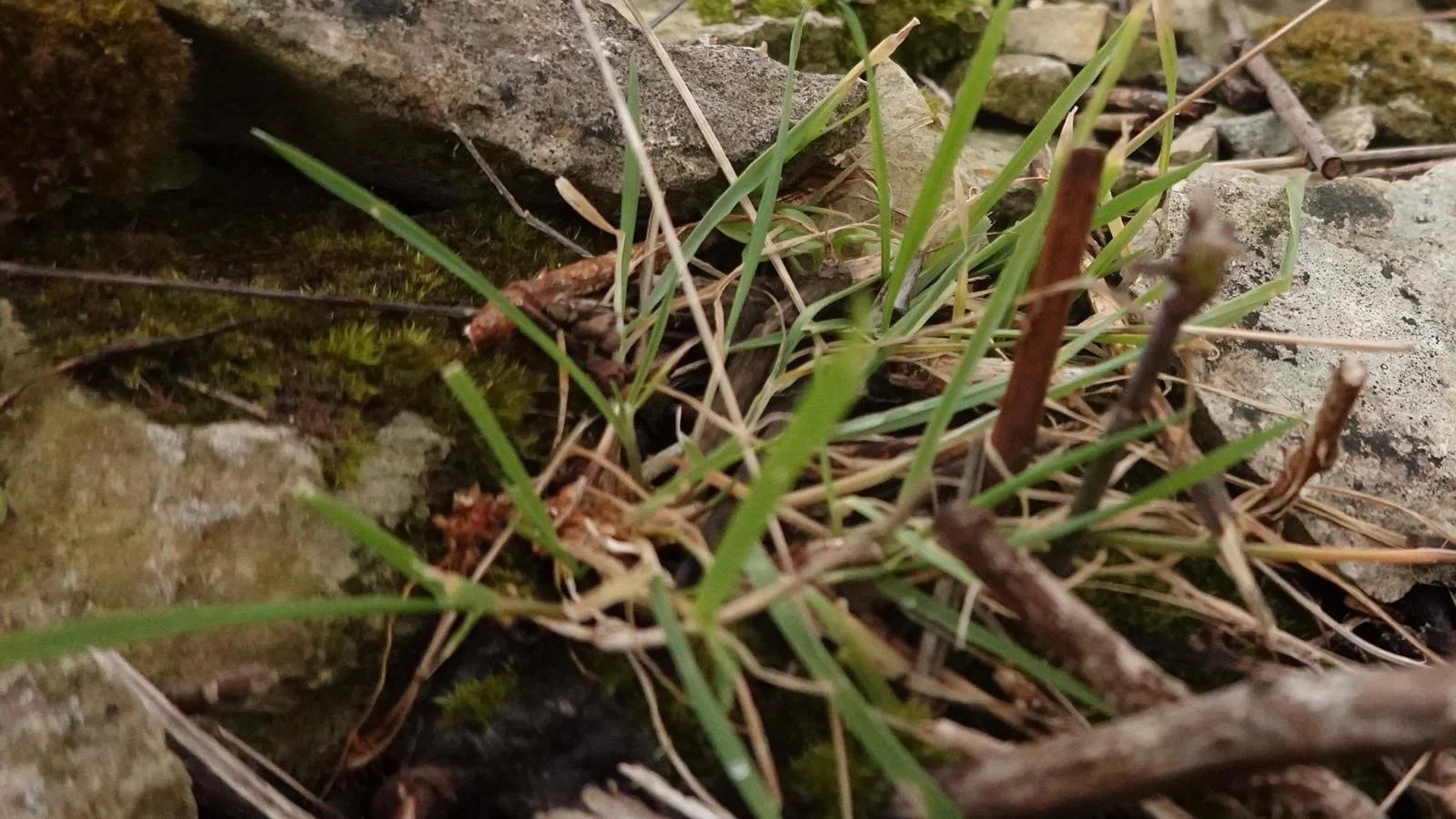
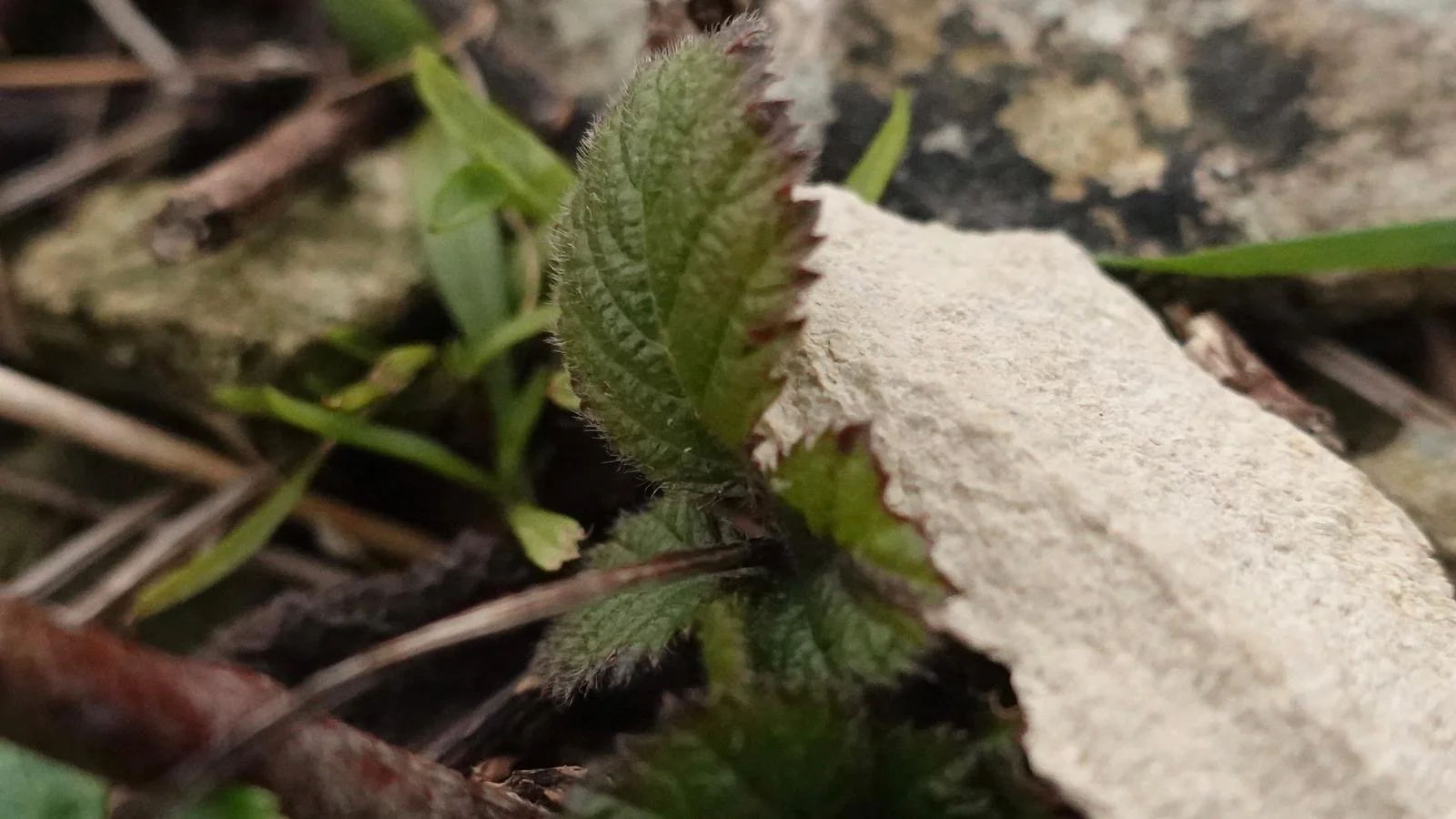
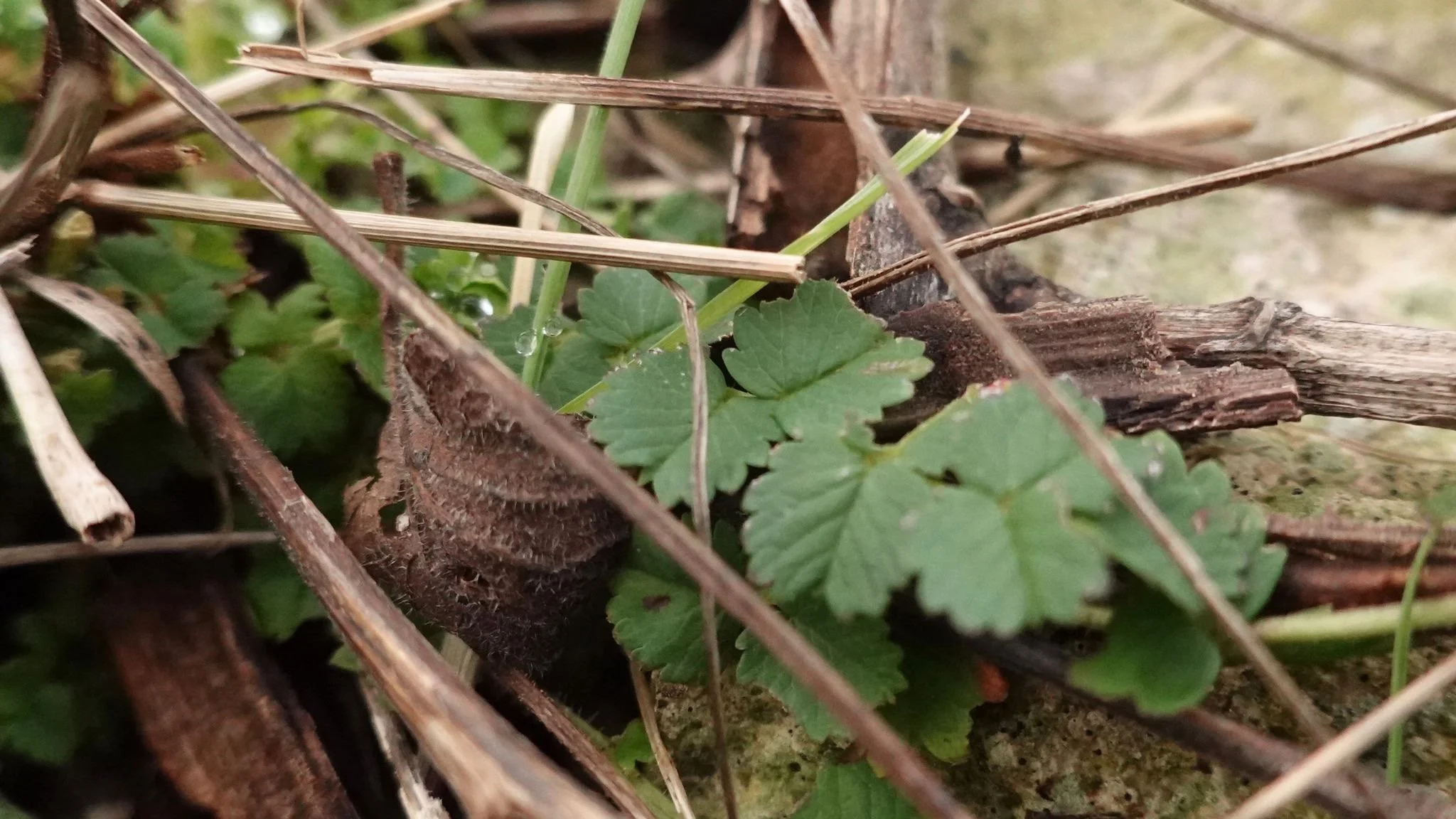
Five months on, the area surrounding the sculptural habitat shows clear signs of ecological recovery. Vegetation cover has increased significantly, and the habitat appears to be settling into the landscape both visually and ecologically. While no plant species have yet been observed colonising the fissures and cracks within the sculptural structure itself, the surrounding area now supports a diverse array of plant species.
Species currently recorded in proximity to the habitat include:
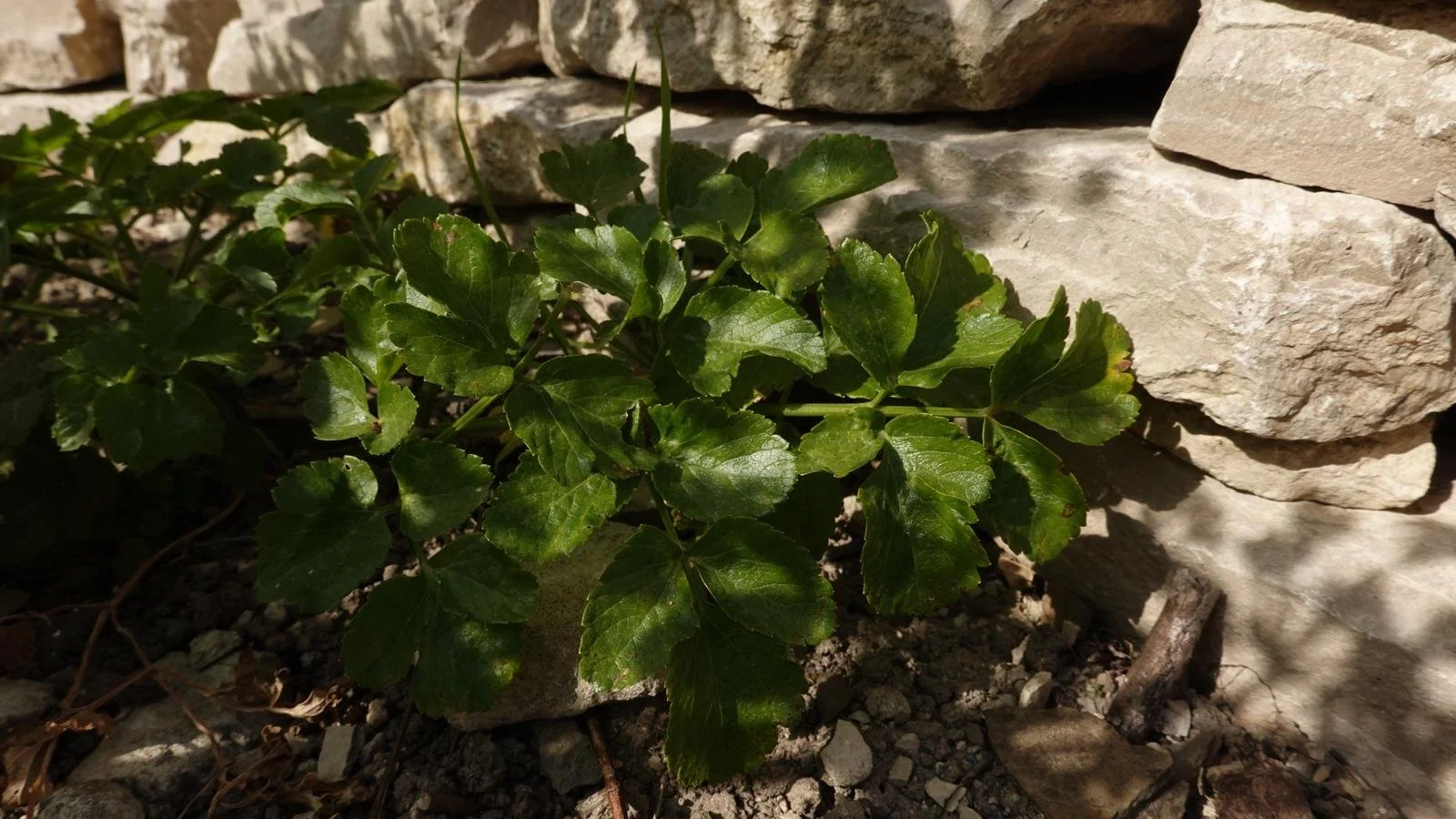
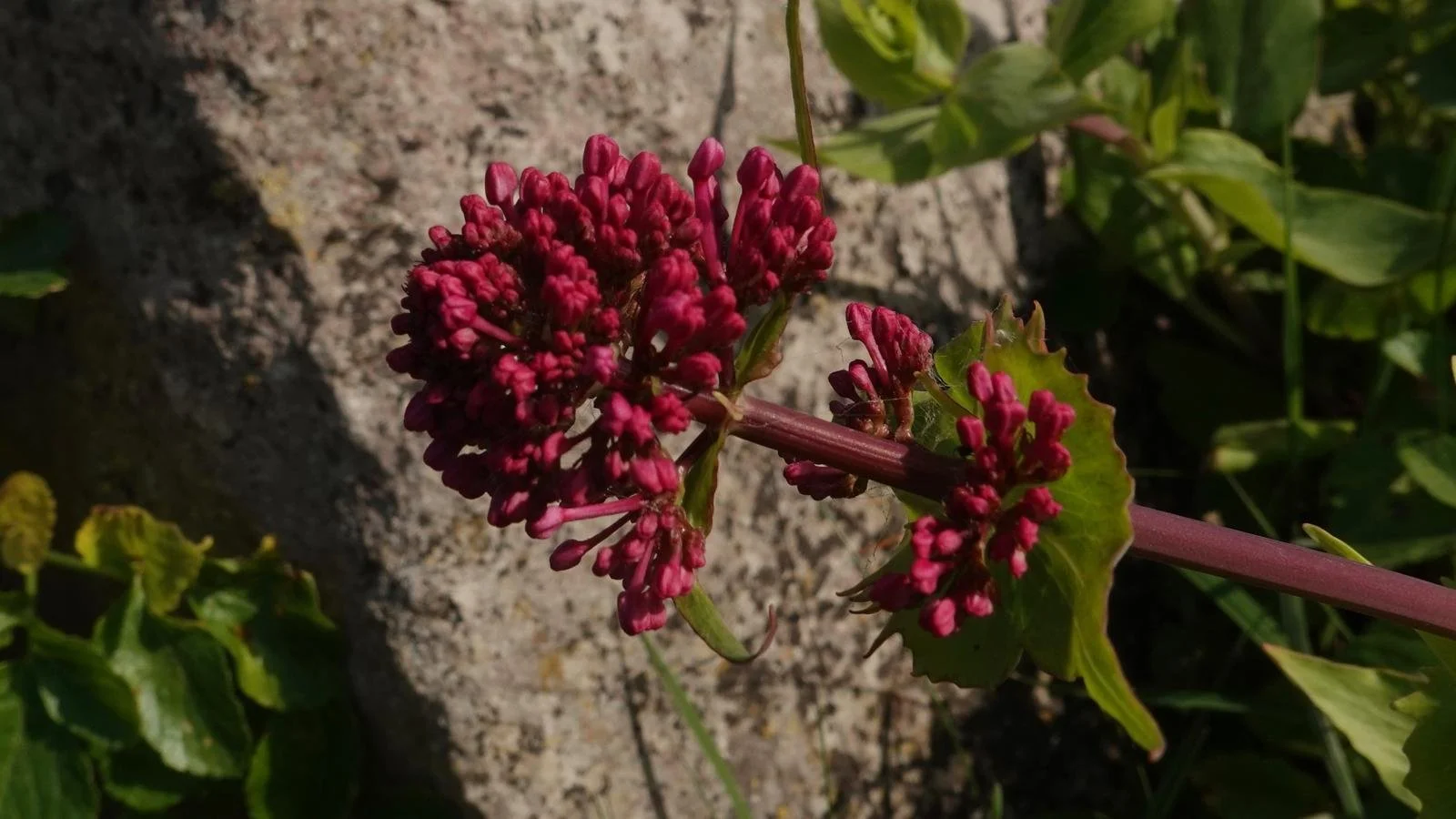
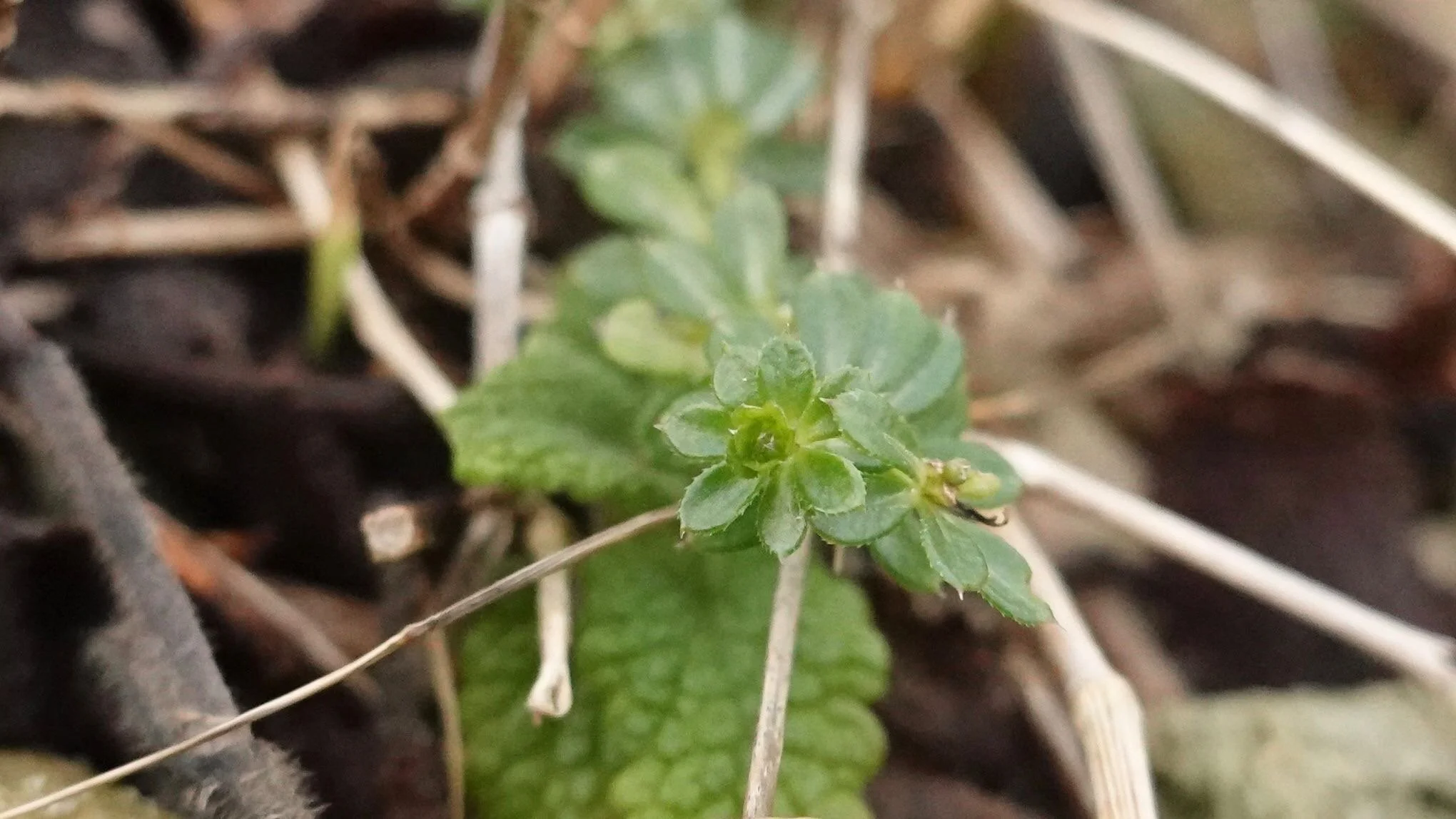
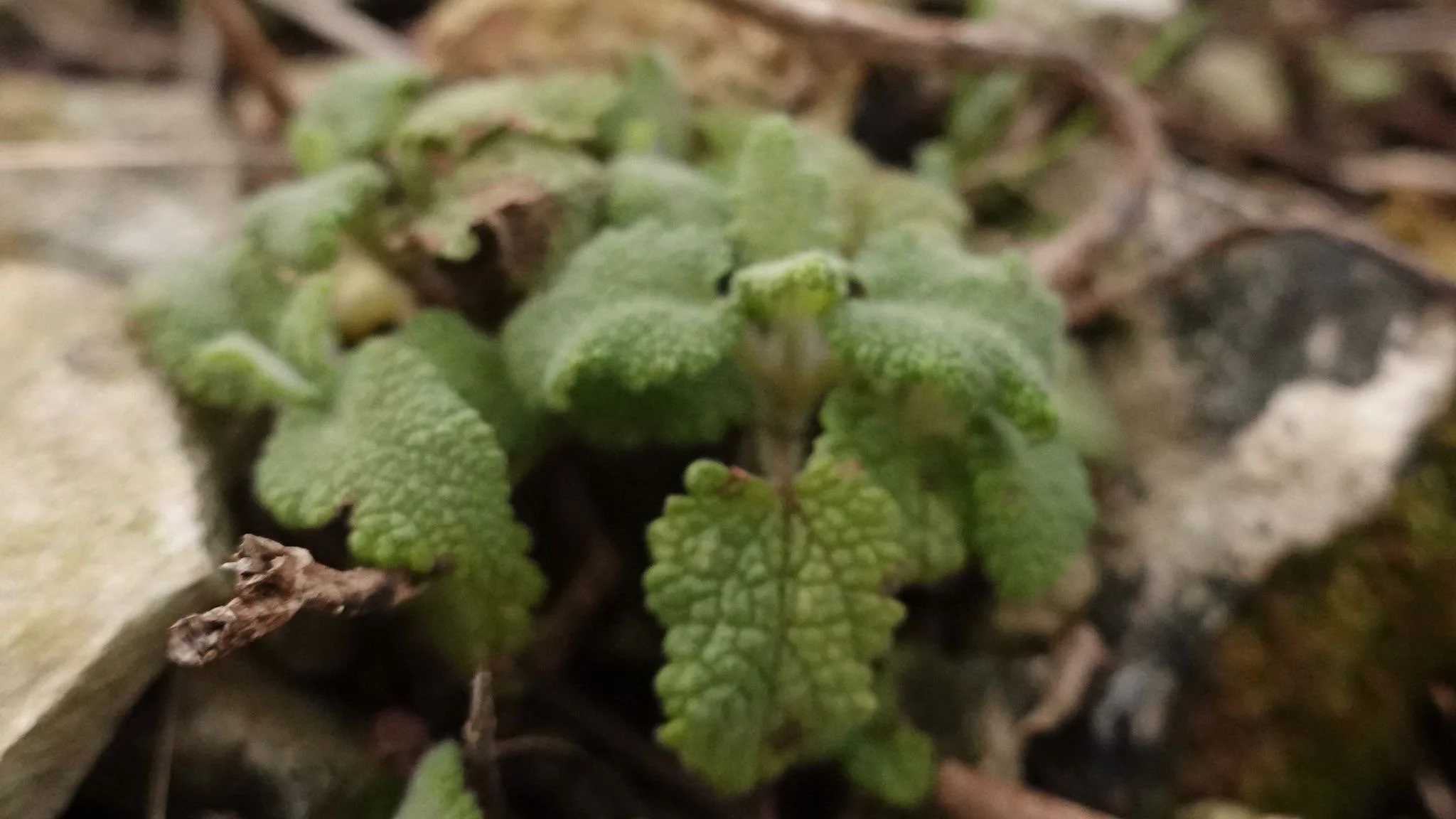
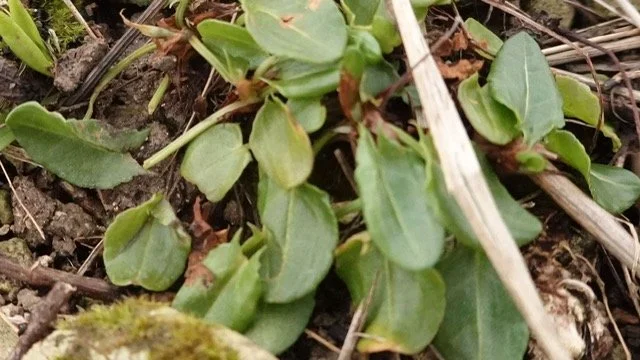
Alexanders (Smyrnium olusatrum), grasses, brambles (Rubus fruticosus agg.), Ribwort Plantain (Plantago lanceolata), Red Valerian (Centranthus ruber), Wood Sage (Teucrium scorodonia), Salad Burnet (Sanguisorba minor), Wild Madder (Rubia peregrina), Teasel, and Sorrel (Rumex spp.).These early observations suggest a positive trajectory of recolonisation following disturbance, with the sculptural habitat now embedded within increasingly thriving and resilient plants. The species noted so far are all ones present in the surrounding area. Given that there has not been sufficient time for new seeds to arrive at the site it must be assumed that the soil already contained these seeds from previous years, with the dense covering of Brambles preventing their germination. Now that the site has been cleared of Brambles and is benefitting from a warmer micro-climate (as a result of shelter provided by the structure of the wall) it is likely that a diverse alkaline grassland community will be allowed to develop. Continued monitoring will help to assess longer-term patterns of succession and the potential for species to inhabit the structural niches of the artwork itself."
second Monitoring Report of Ab Initio
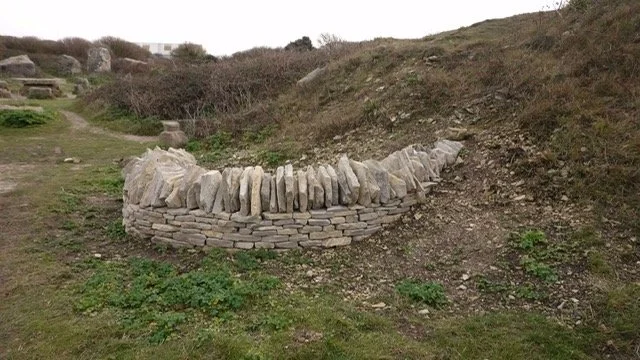
Naturalist: Bob FordThis report presents further observations recorded following the initial monitoring of the sculptural habitat Ab Initio. Since the first survey, the site continues to show encouraging signs of ecological development and increasing biodiversity. Vegetation cover has continued to establish across the surrounding area, with several species now becoming more prominent within the evolving habitat.
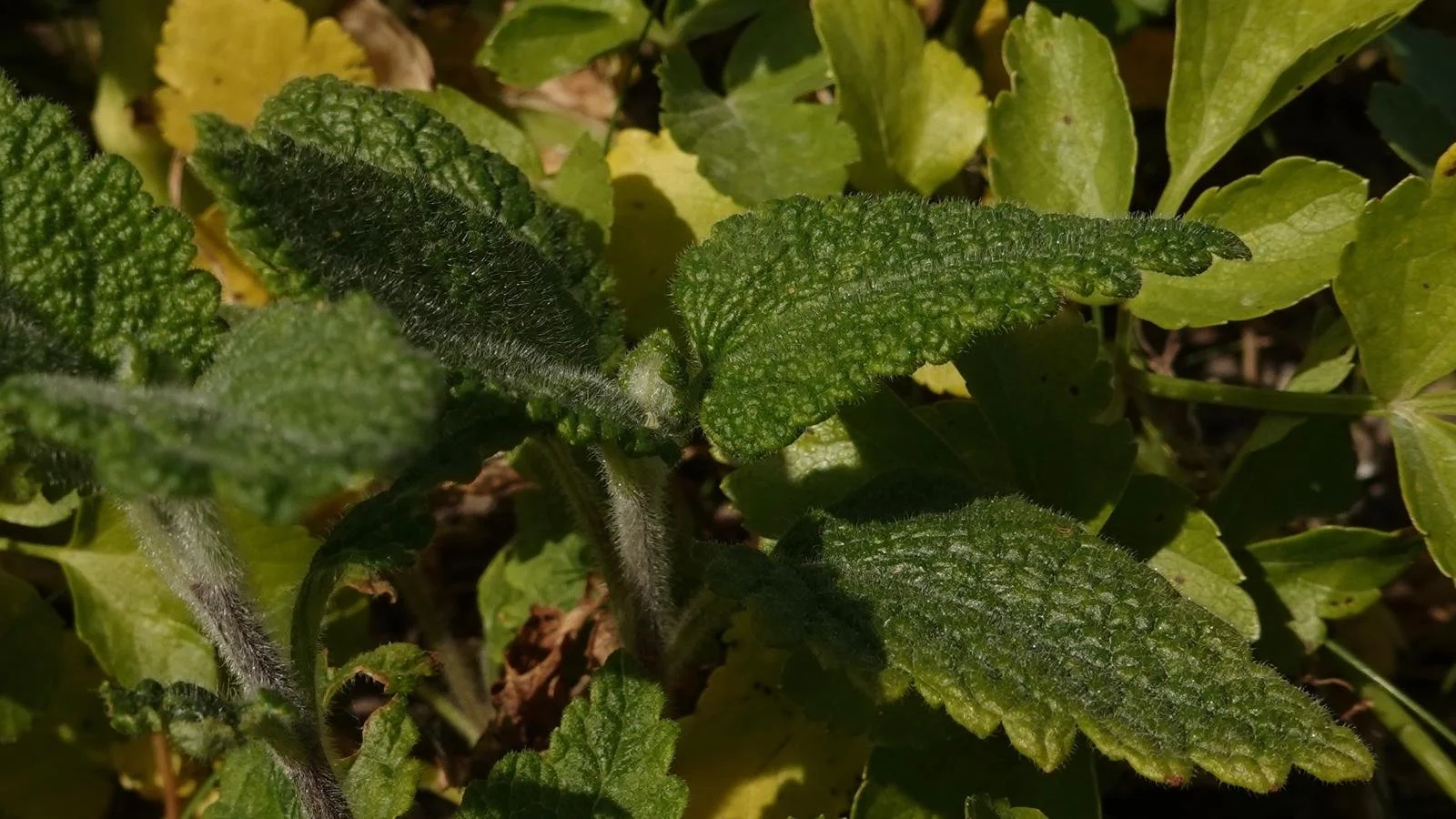
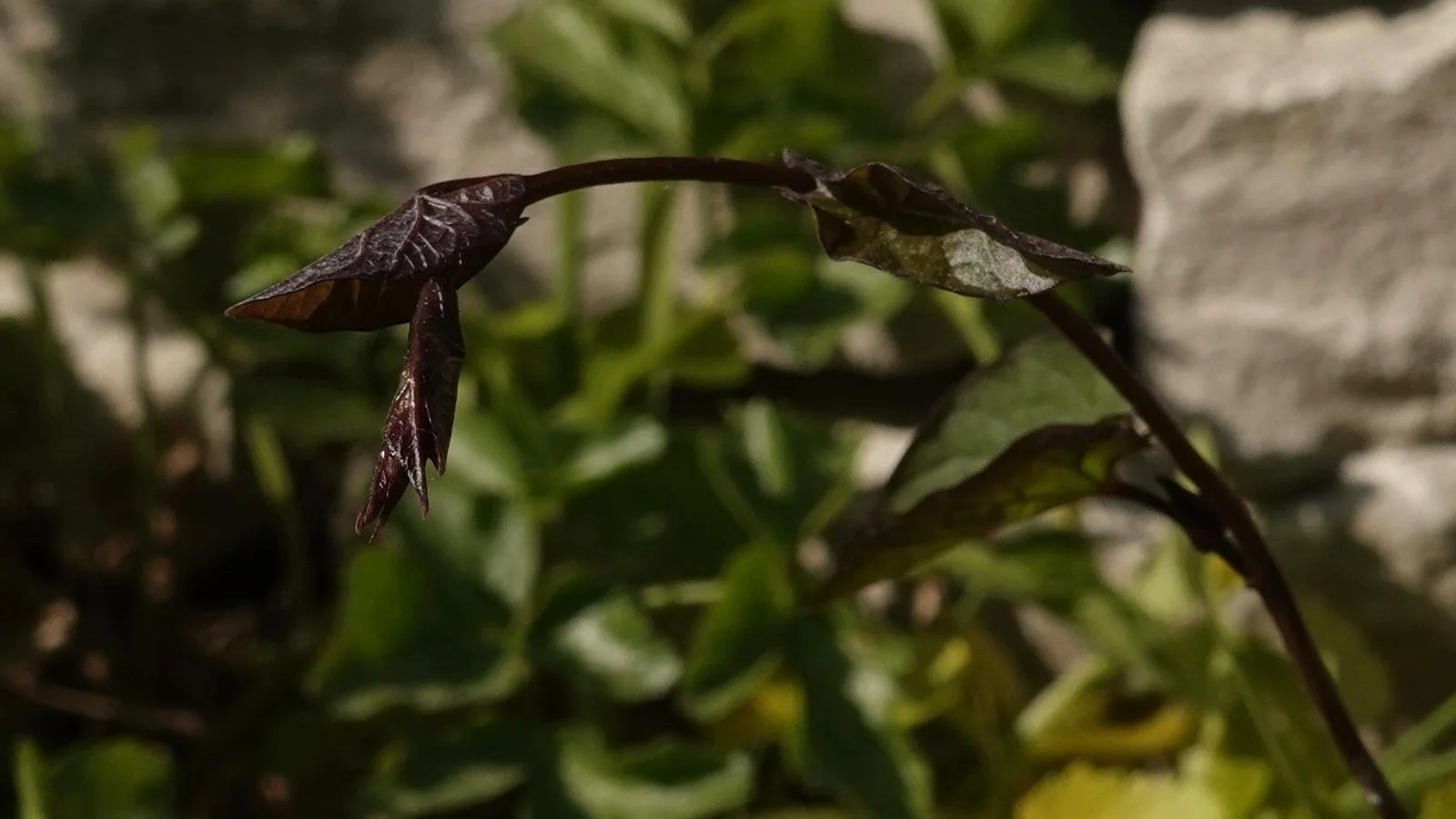
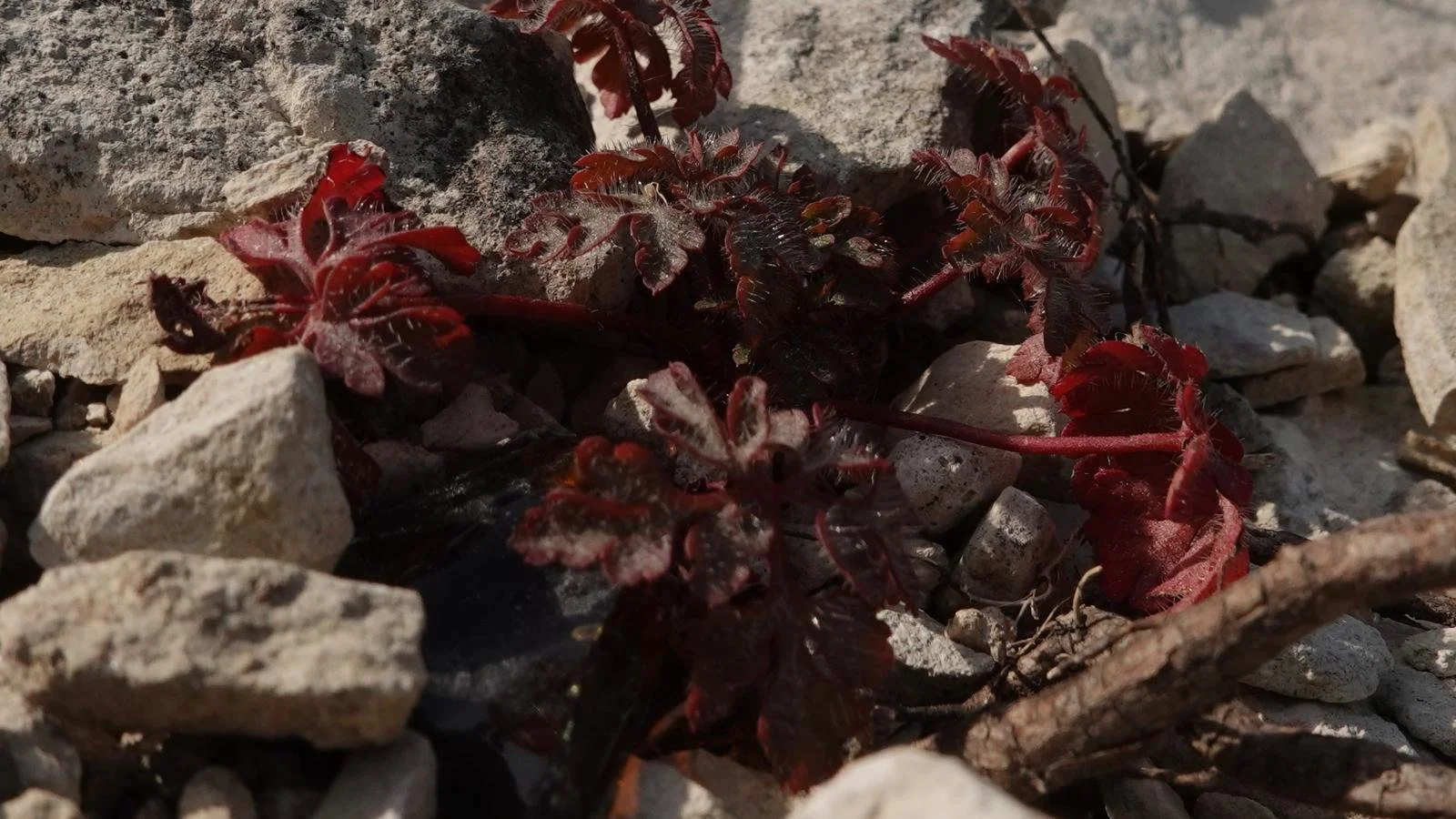
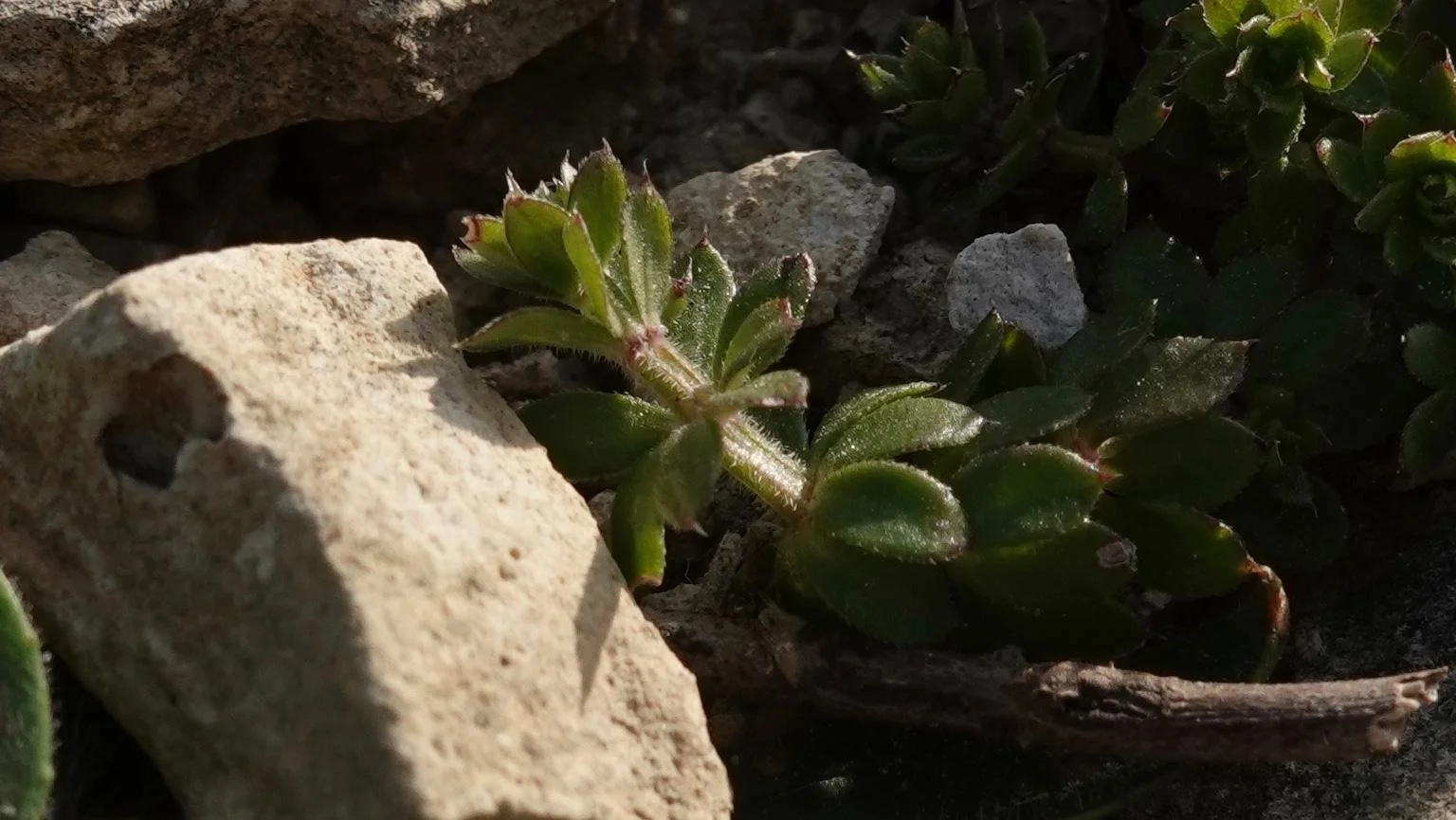
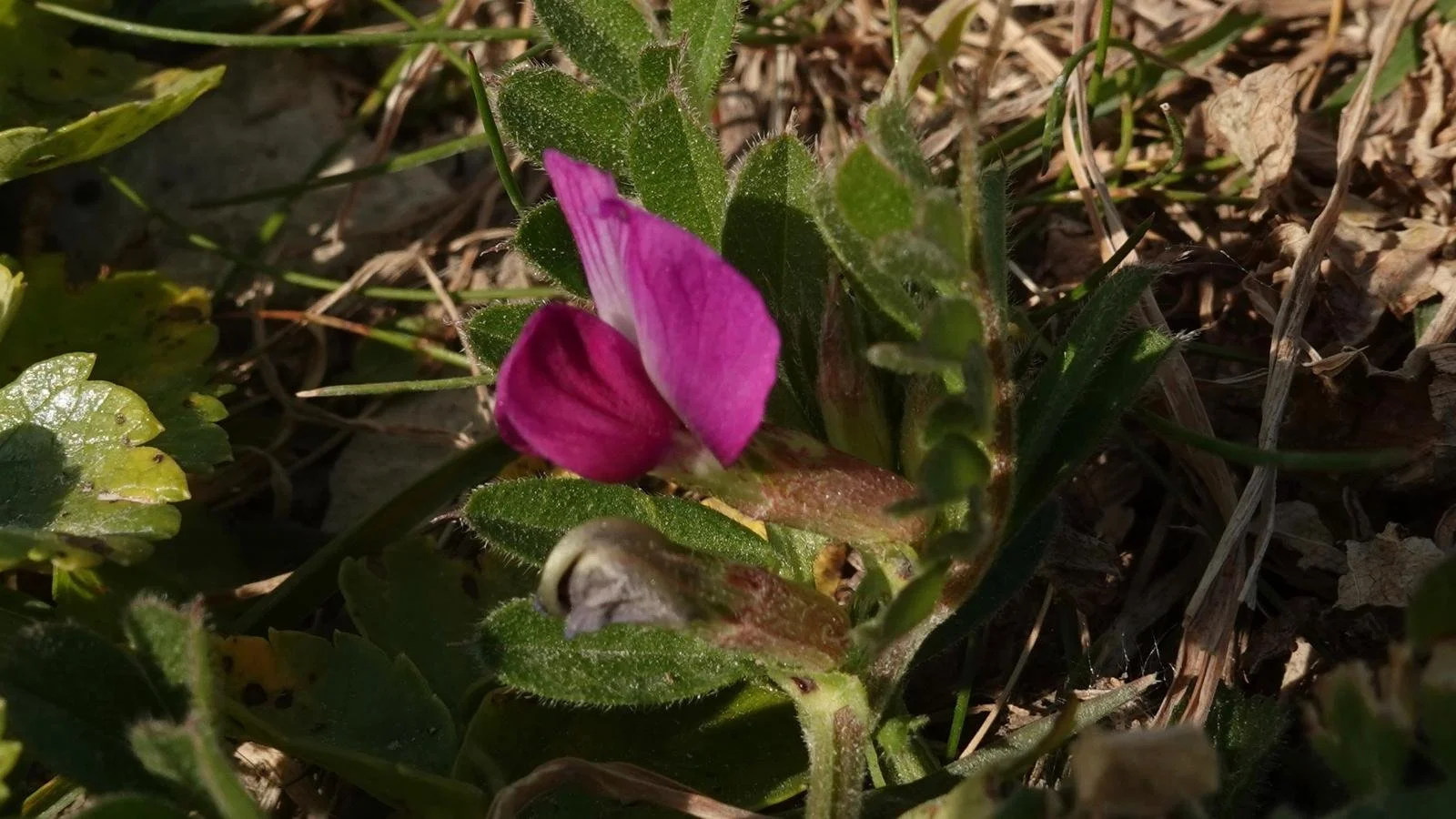
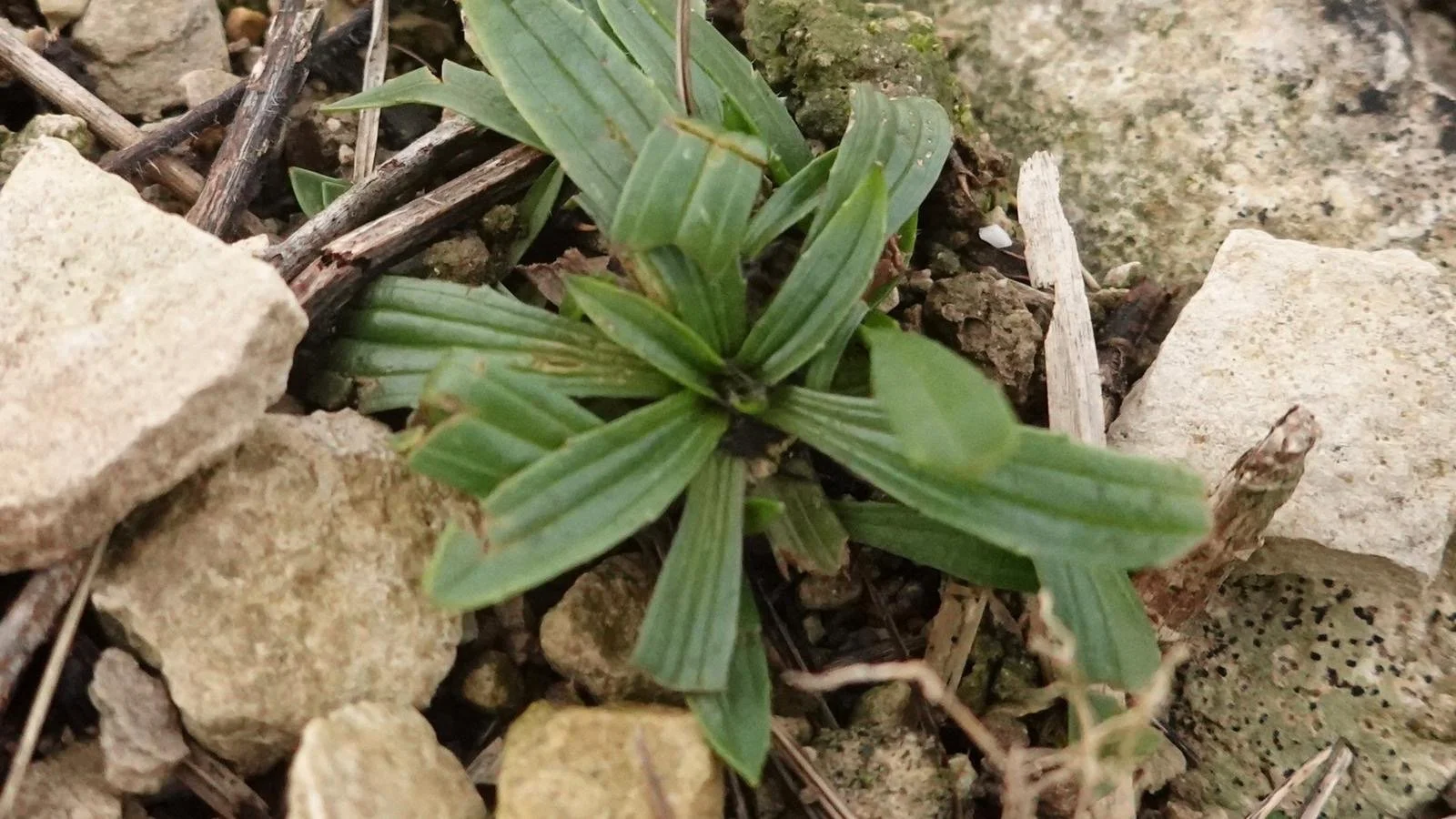
Alexanders (Smyrnium olusatrum) remain the dominant species across the site, continuing to shape the character of the vegetation community. Additional species recorded during this monitoring include Bindweed, Wood Sage (Teucrium scorodonia), Herb Robert (Geranium robertianum), Ribwort Plantain (Plantago lanceolata), Wild Madder (Rubia peregrina), Common Vetch (Vicia sativa) and Red Valerian (Centranthus ruber).
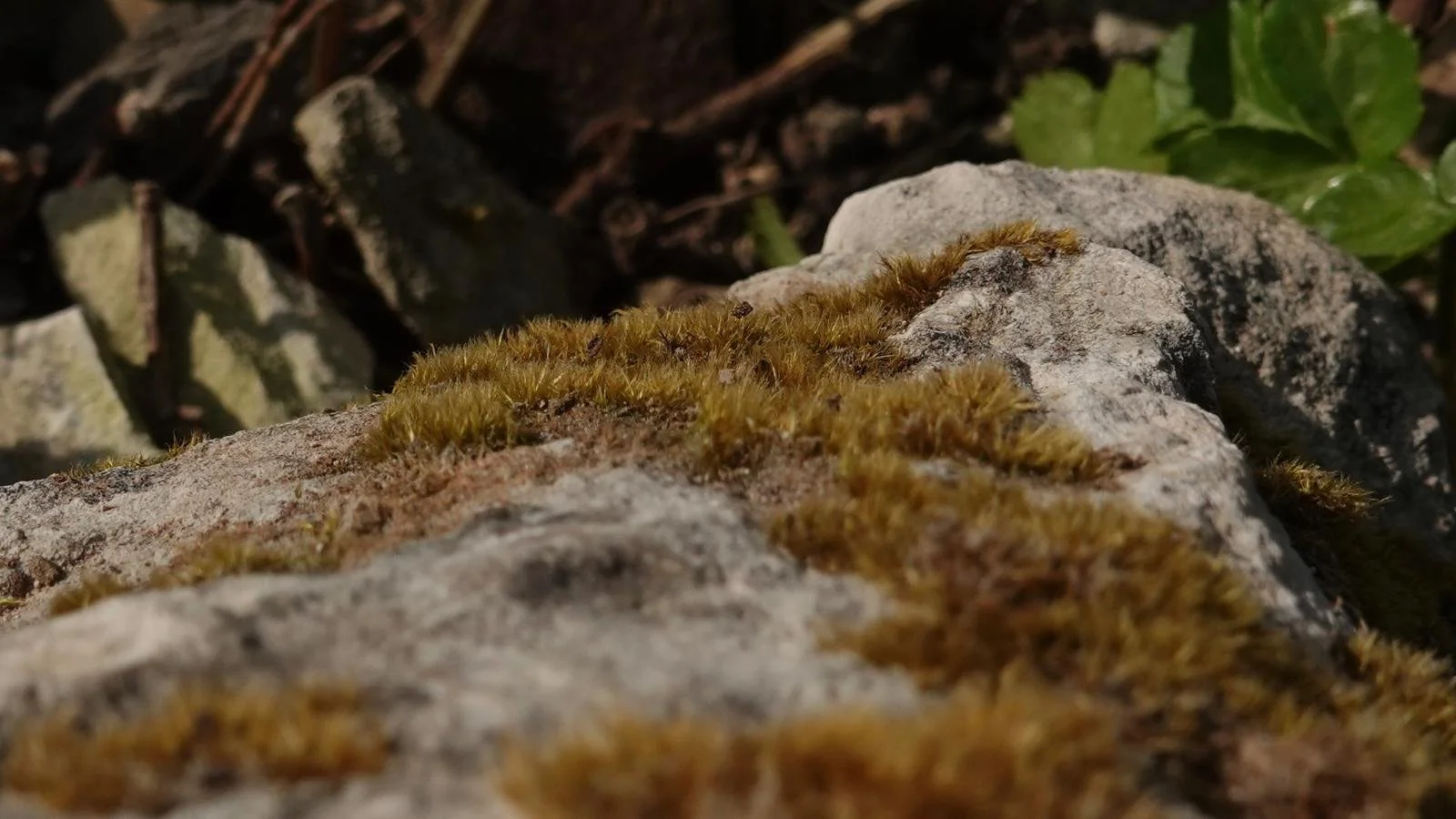
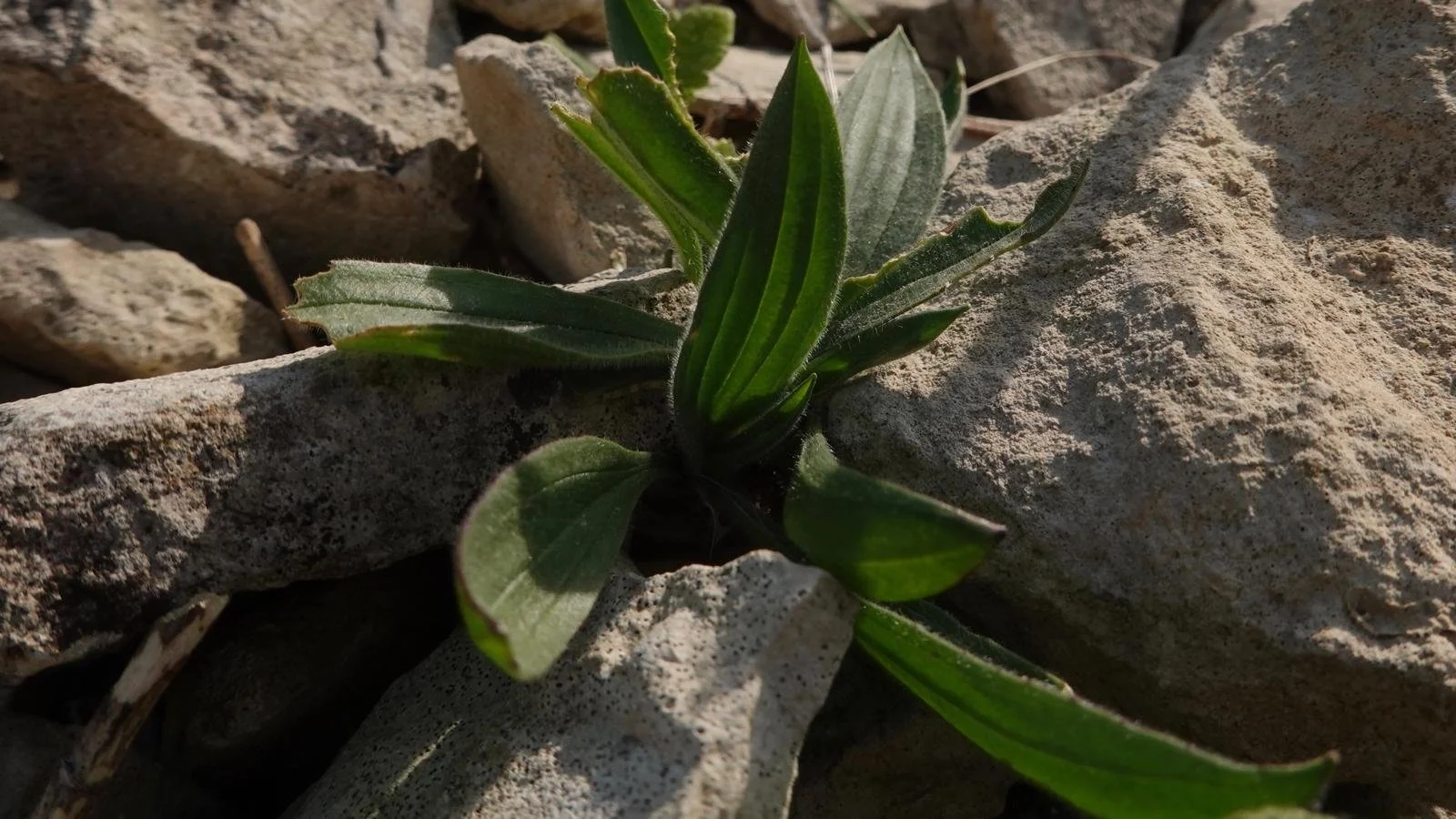
The presence of Ribwort Plantain is particularly significant, as it is an essential food plant should the Glanville Fritillary butterfly ever recolonise Portland. Moss also continues to persist on the stone surfaces despite several weeks without rainfall, demonstrating the moisture-retaining qualities and stable microclimate provided by the structure.
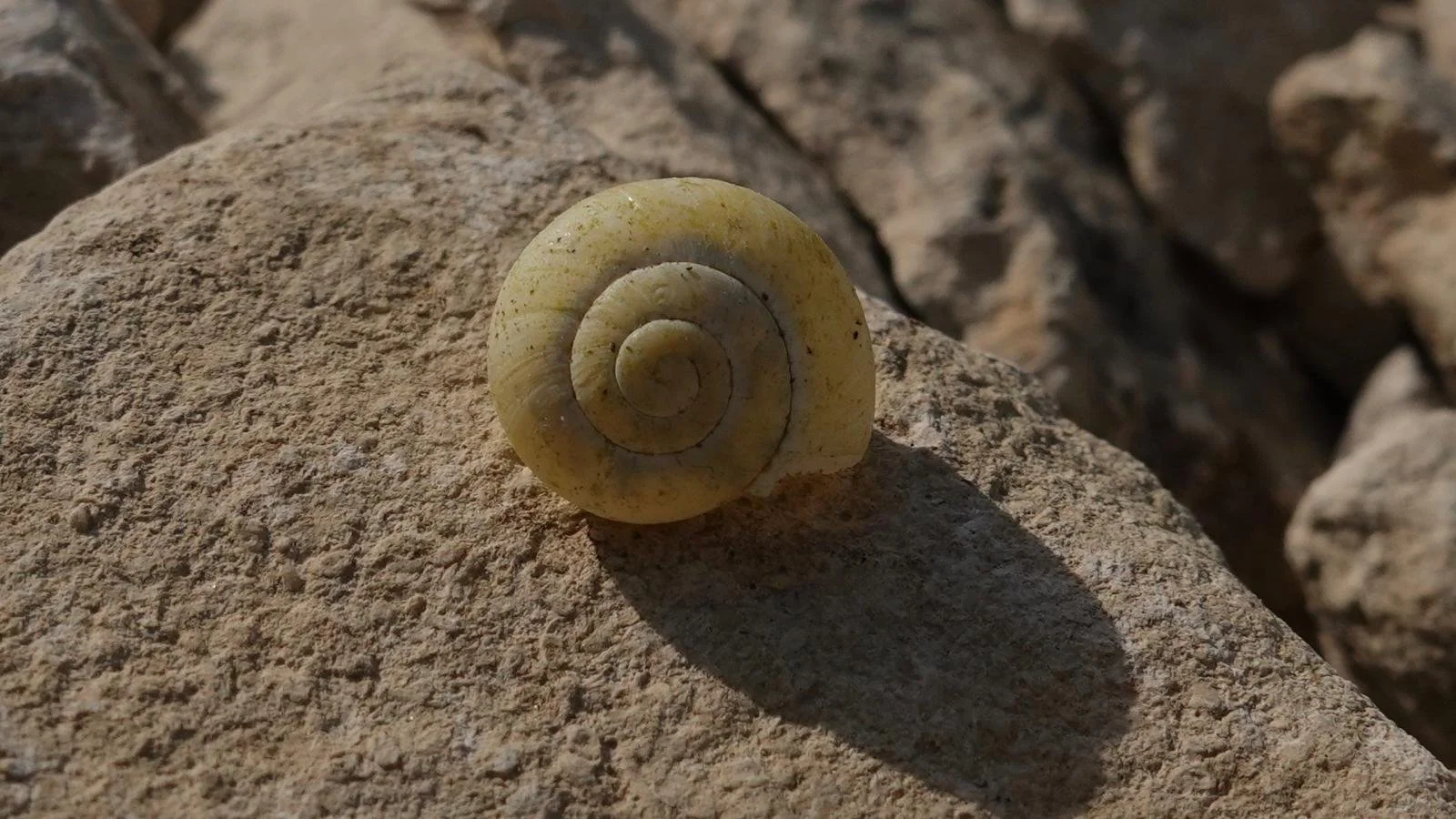
Invertebrate activity across the site has increased. Banded Snails were observed alongside Black Ants, Woodlice and Hoverflies. The presence of Black Ants is especially important, as they are essential to the life cycle of the Silver-studded Blue butterfly.
Evidence of bird activity was also noted, with bird droppings present on the stone surfaces. Over time, these deposits may contribute nutrients that support the future establishment of lichens and other organisms. A Kestrel was again observed hunting over the site, alongside the presence of a Magpie nearby.
These continued observations suggest that the habitat is progressing positively as a functioning ecological environment, supporting a growing range of plant and invertebrate species while developing the conditions necessary for further ecological succession.